
Redecorating a home or business in 2025 is not just about choosing a colour you like and hoping for the best. It is a balance of practical preparation, thoughtful design decisions, and a clear understanding of how you want the space to feel. Clients this year are looking for calm and comfortable interiors that still have personality, and decorators are expected to create spaces that feel grounded, stylish, and long lasting. This guide breaks down everything that matters before a single brush touches the wall.
Start with a clear purpose
Every successful project begins with a simple question. What are you trying to change? Some people want a fresh look. Others need to modernise. Many are trying to increase property value or create a more welcoming atmosphere.
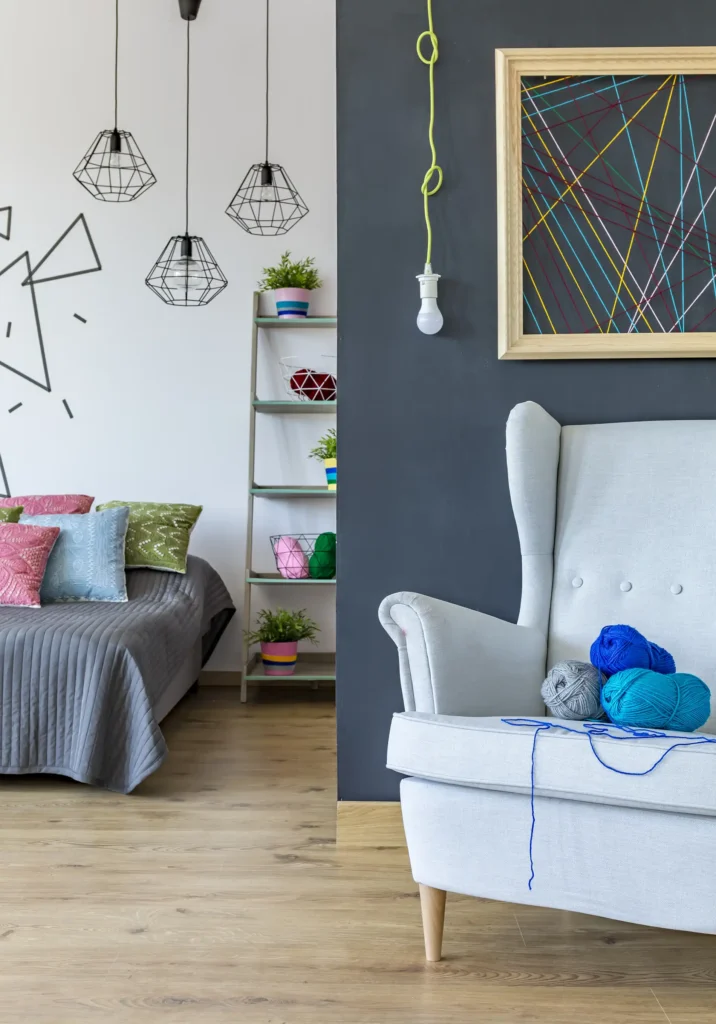
A good decorator will always begin by understanding the purpose of the project and how the space is used. A living room that doubles as a family hub needs different choices compared to a rented flat or a busy commercial space. A clear brief avoids confusion later and sets the tone for every decision that follows.
Look closely at the space you have
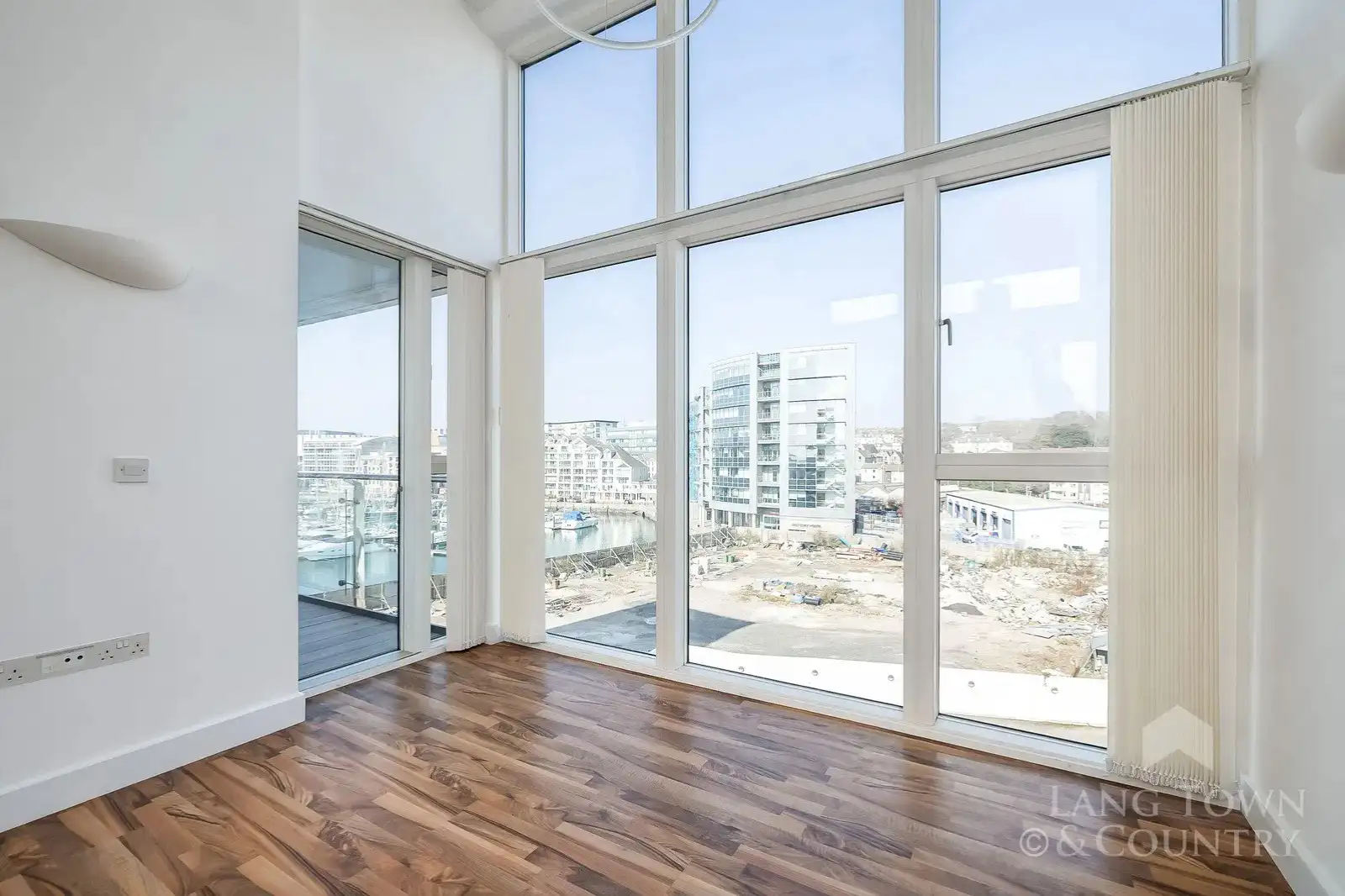
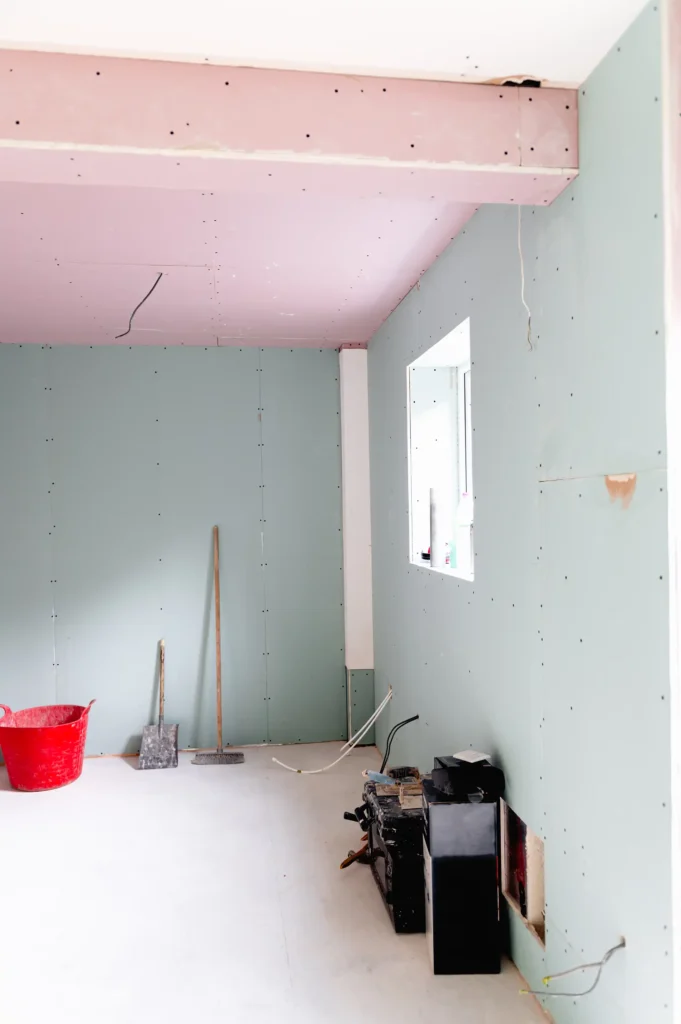
Before any materials are ordered, a decorator should assess the room properly. Light, layout, and surface condition all influence the final result far more than most people realise. Natural light can shift a colour dramatically throughout the day. A north facing room often needs warmer tones to avoid feeling flat, while a bright south facing space can carry deeper colours with ease.
The layout also plays a part. Rooms never exist in isolation, so the way colours and finishes connect from space to space affects how the whole property feels.
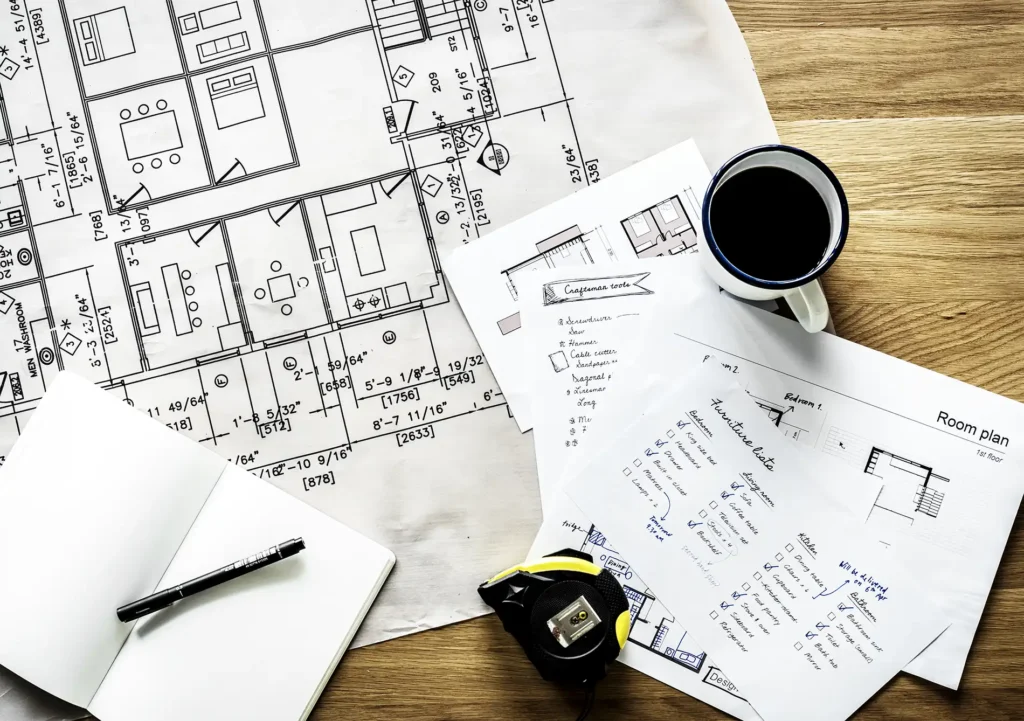
Surface condition is another crucial piece. Cracks, uneven plaster, previous glossy finishes, or signs of damp can all affect how well paint adheres. Recording measurements and any issues at this stage helps produce an accurate quote and avoids surprises later.
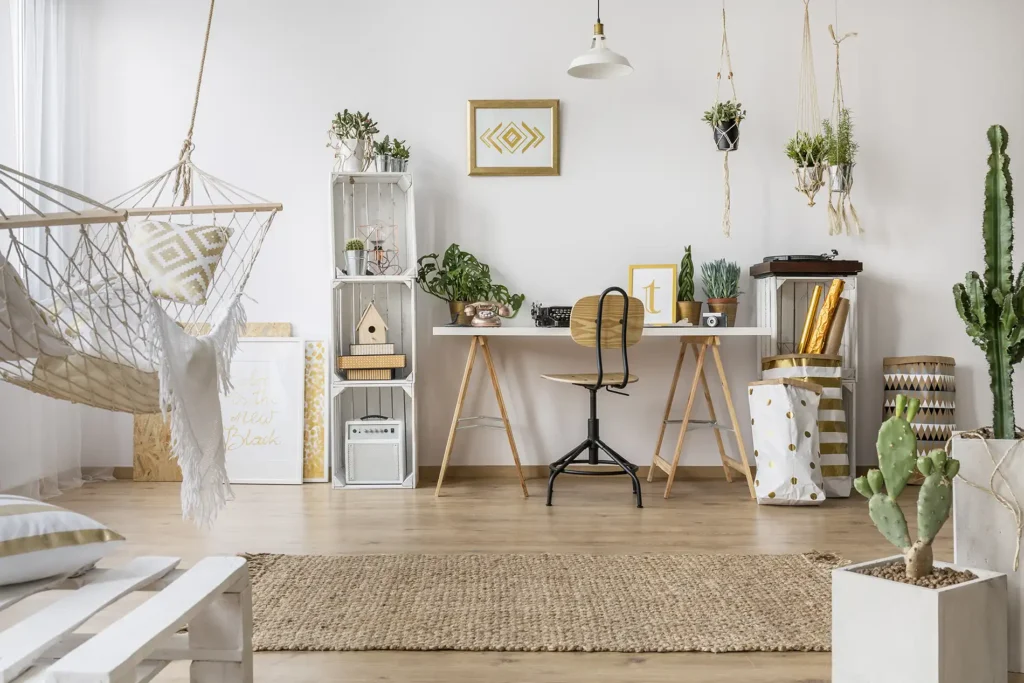
space planning
Set a realistic budget
Budget planning does not need to be complicated, but it does need to be honest. A redecoration budget usually involves three parts. The first is preparation and repair. The second is materials. The third is the labour time needed to do everything safely and correctly.
People often underestimate the cost of preparation work because it is not visible in the final room, yet it is the foundation of a professional finish. It is sensible to leave a small allowance for unexpected repairs, especially in older properties. Changing your mind halfway through can also increase costs, so agreeing a colour direction at the start saves time and money for everyone.
Plan the schedule carefully
Timing matters a great deal, especially if the property is occupied. Families need to consider school holidays, guests, and daily routines. Kitchens and bathrooms require extra planning because they are essential spaces.
Commercial projects come with their own set of considerations. Work may need to happen outside trading hours. Safety compliance needs to be maintained. Floors, furniture, and equipment must be protected throughout the process. A reliable decorator will plan the job in stages and sequence the rooms so that disruption is kept to a minimum.
Preparation is everything
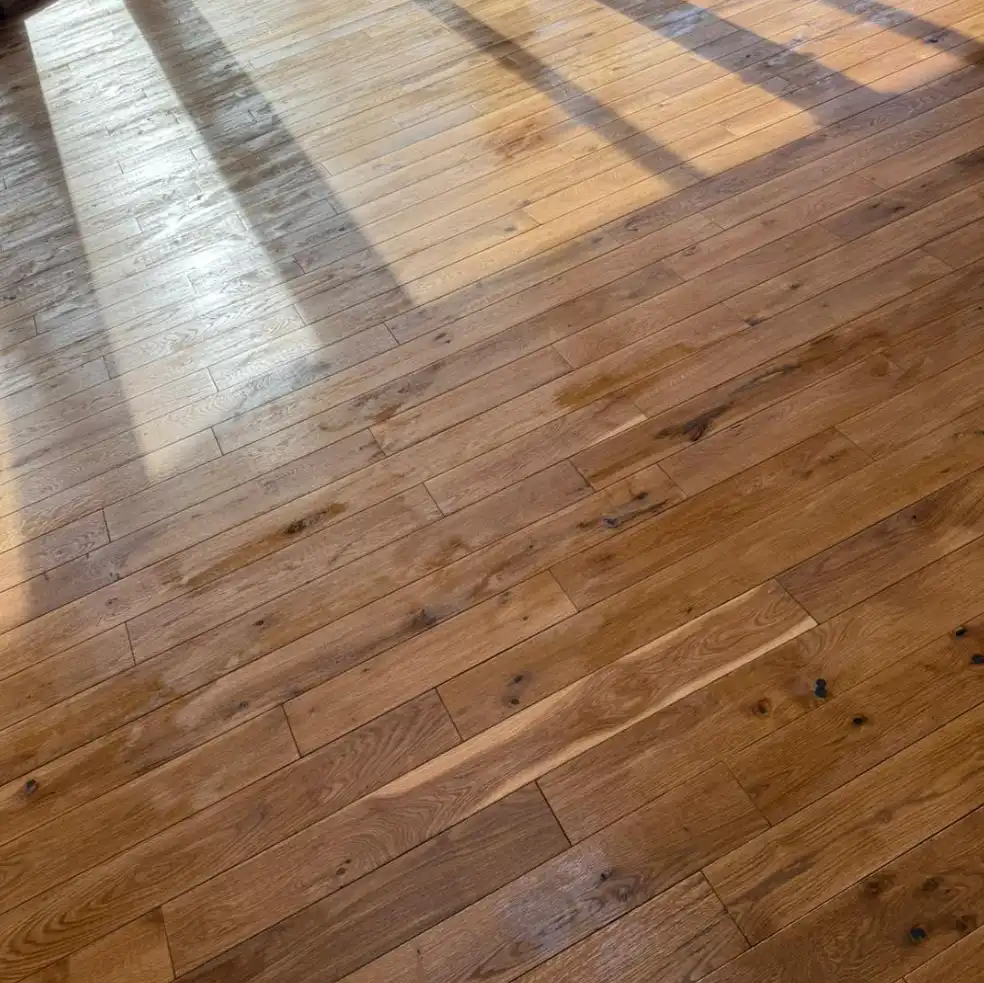
If there is one truth in professional decorating, it is that preparation makes the finish. Cleaning, filling, sanding, repairing, smoothing, and priming take time but they make the difference between a surface that looks good immediately and one that looks good for years.
Proper preparation can account for most of the labour time. The reward for that effort is a finish that feels solid, clean, and completely intentional.
Choose the right materials and finishes
Modern decorating products vary widely in quality and performance. The right paint in the right room matters far more than most clients expect.
Washable or scrubbable products are ideal for busy areas such as hallways. Moisture resistant finishes belong in bathrooms and kitchens where steam is unavoidable. Commercial premises often require fast drying or more durable systems, especially in high traffic zones.
Choosing the correct primer is particularly important when painting over stains, glossy surfaces, or previously deep colours. A decorator who understands product behaviour will build a system that lasts rather than one that simply looks good on day one.
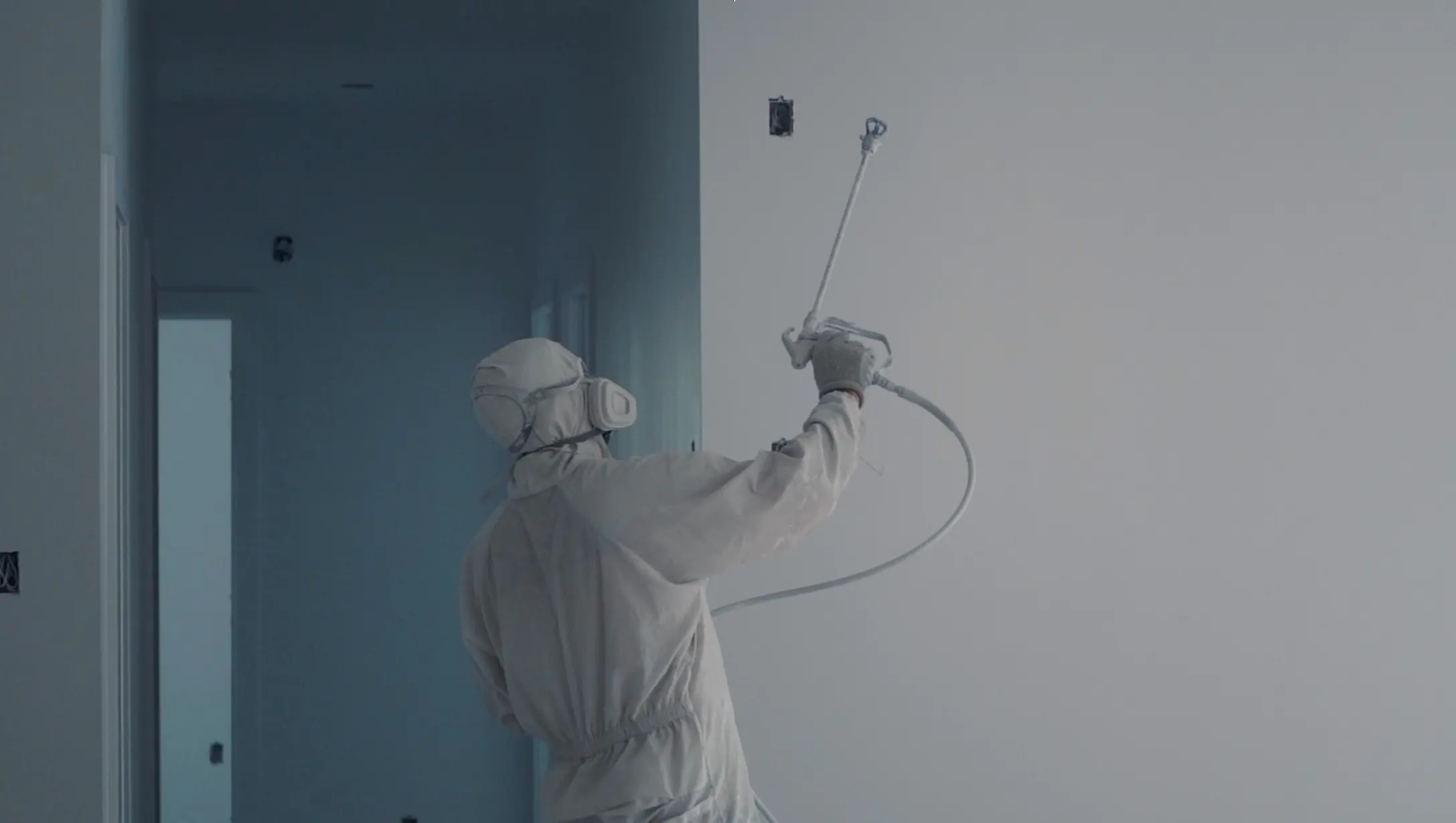
working with materials
Think about sustainability
Many clients now prefer paints with low volatile organic compound levels and finishes that contain fewer chemicals. The benefit is not just environmental. It makes the space healthier and far more comfortable to live or work in.
Natural materials, reclaimed wood, and longer lasting finishes are increasingly popular. These choices support a more sustainable approach without compromising style.
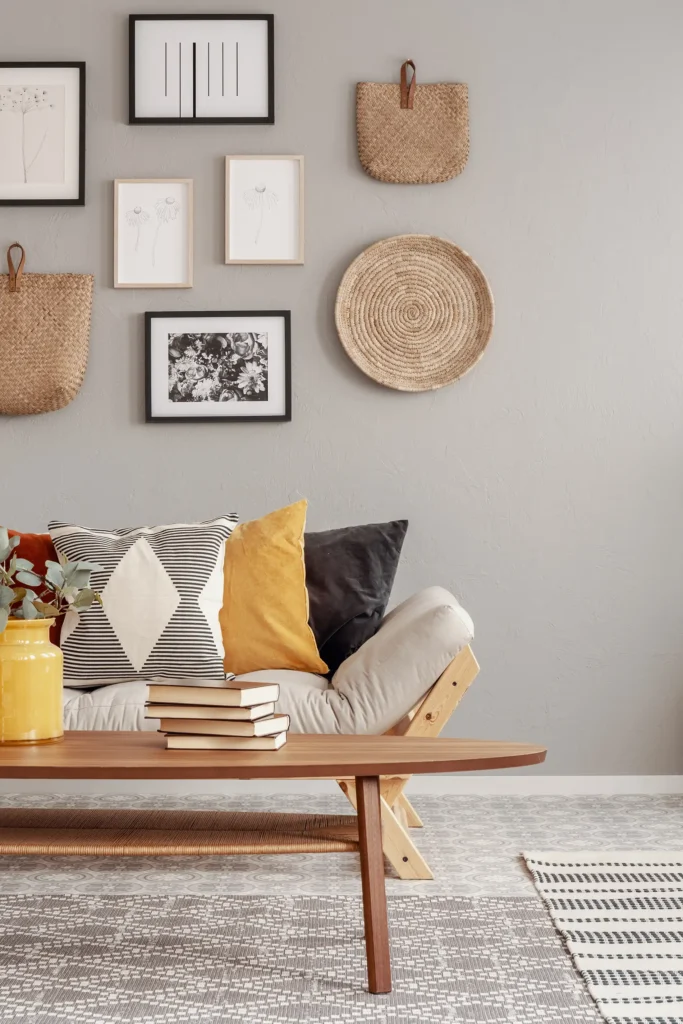
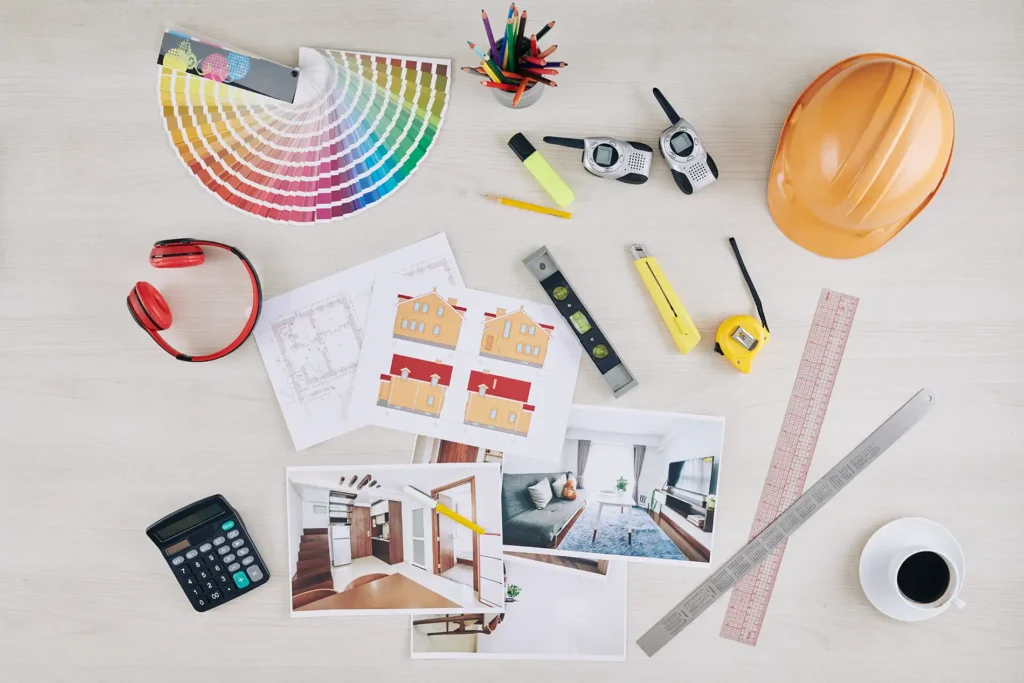
Create a colour plan that links each room
A cohesive interior does not rely on a single colour throughout the property. It relies on a consistent direction. Most designers begin with a base neutral that appears in every room. This creates flow and avoids the home feeling disjointed.
Supporting colours and accents can change from room to room, but they should still feel related. Matching undertones is essential. The same warm neutral will not pair well with both a cool blue and a warm green unless the tones are chosen carefully.
It is also important to live with sample patches for a day or two rather than deciding instantly. Colours can shift under different light, and 2025’s trending tones are especially sensitive to this.
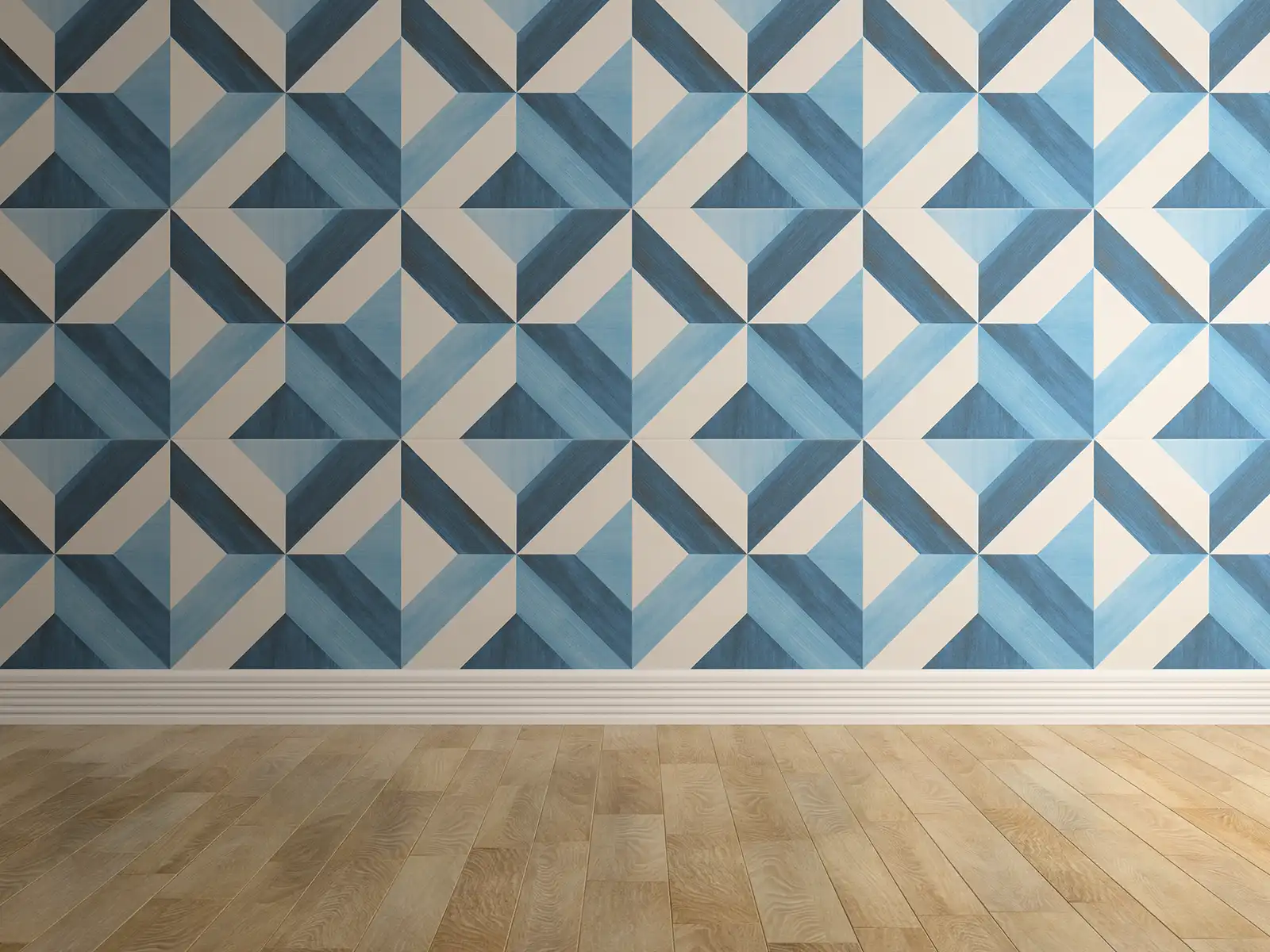
colour planning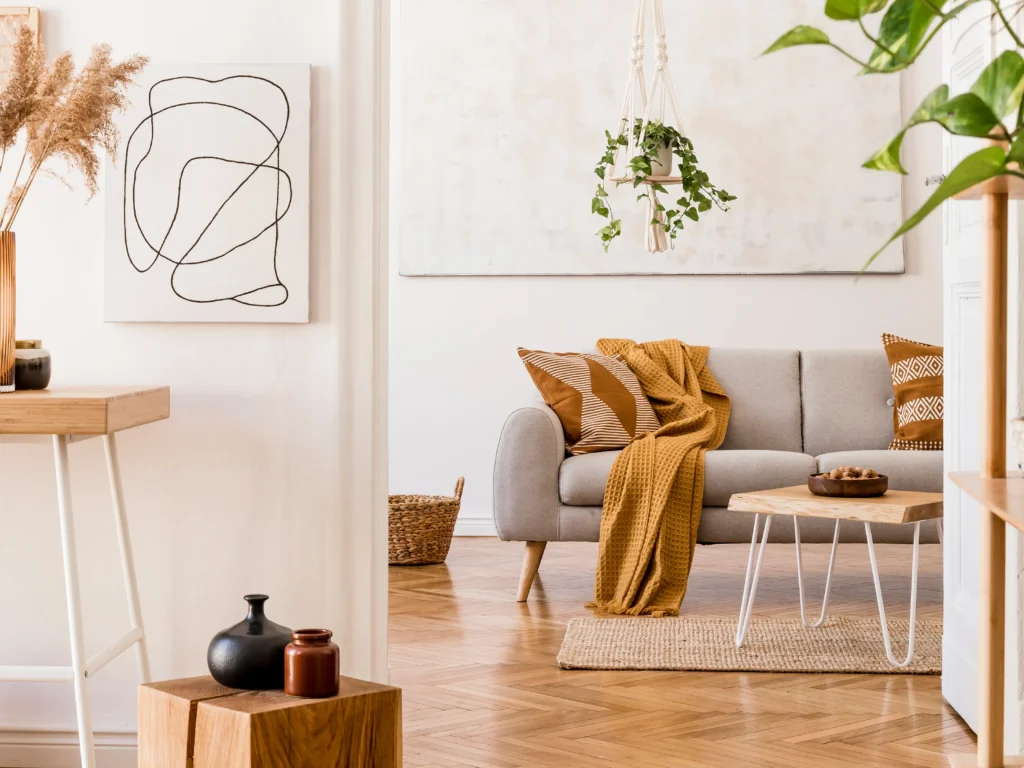
Be inspired by 2026 interior trends
This year and going into next year’s interiors, have a strong focus on comfort, craft, and warmth. Earthy neutrals and warm browns continue to dominate because they feel grounded and welcoming. Greens and nature inspired blues remain popular for their calming effect. Deeper jewel tones add character when used thoughtfully.
There is also a strong movement toward texture. Decorative plaster, subtle panelling, patterned wallpapers, layered rugs, and soft furnishings are being used to create rooms that feel rich and lived in rather than flat.
Playful brights such as butter yellow and cherry red are appearing more frequently, usually as smaller accents that bring life to a space without overwhelming it.
Bring the project together smoothly
A successful redecoration relies on a clear brief, careful preparation, and a design plan that suits the property. When these elements line up, the project runs smoothly and the final result feels intentional and well crafted.
Fineline Decorators work with clients across Plymouth and the surrounding region to create interiors that feel beautiful, comfortable, and made to last. If you are planning a redecoration in 2025, we can guide you from the first idea to the final finish.