




Surface Preparation 101: Why Prep Is 80 Percent of a Quality Finish
Anyone who has ever tried to paint a room without proper preparation knows how quickly things can go wrong. The paint refuses to sit evenly. Edges look rough. Old marks reappear within days. A surface that looked fine at a glance suddenly shows every bump and flaw once colour goes on. Professionals know that preparation is the real work, and the actual painting is only the final stage of the job.
This is why so much of a decorator’s time is spent repairing, smoothing, cleaning, and priming. Good preparation gives the room a calm and confident finish that lasts for years instead of months. Below is a clear look at what proper preparation involves and why it matters more than most people expect.
Preparation begins long before the brush comes out
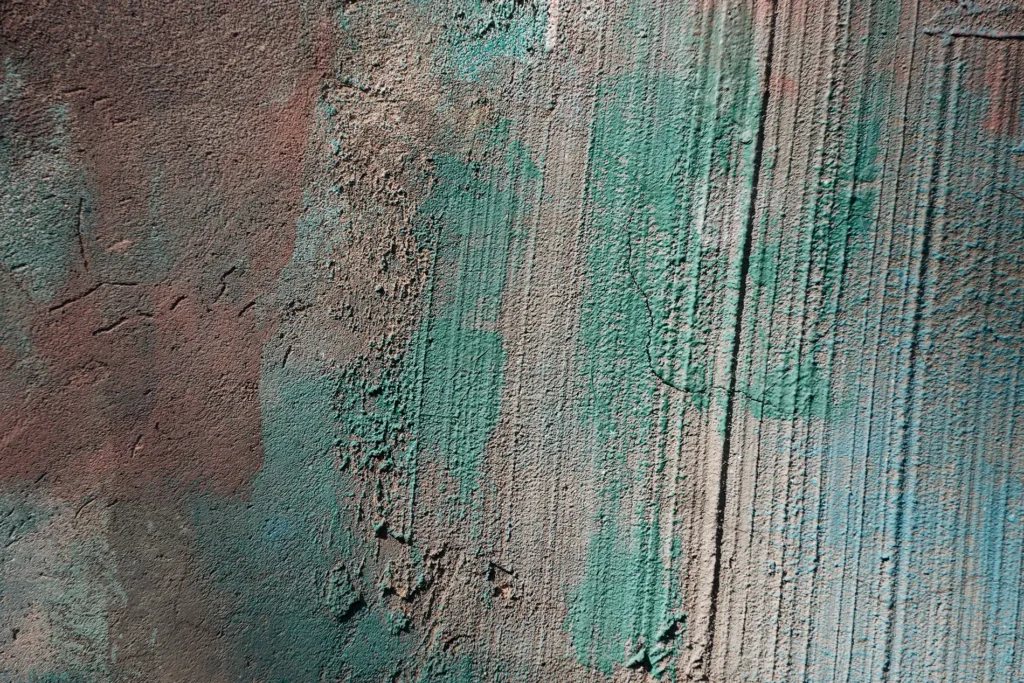
The first step is simply understanding what the surface has been through. Old paint can hide cracks, uneven plaster, grease, damp, or movement around corners and frames. A decorator will check all of this before deciding which techniques and products to use. It is the difference between guessing and building a plan that works.
Walls and woodwork often need much more attention than clients realise. A surface may look smooth at a distance, but raking light or a fresh coat of paint will reveal every ripple and dent. Taking the time to read the room properly always pays off.
Cleaning the surface sets the stage for everything else
Dust, grease, and residue can stop paint from bonding, even if the surface looks clean. Kitchens often have a fine layer of grease that needs degreasing. Fireplaces gather soot. Hallways collect fingerprints and scuffs. Cleaning sounds dull, but it is essential.
A clean surface helps fillers bond properly. It also prevents primer from peeling later. Once the surface is cleaned and dried, the real repair work can begin.
Repairing and filling gives the room its smooth foundations
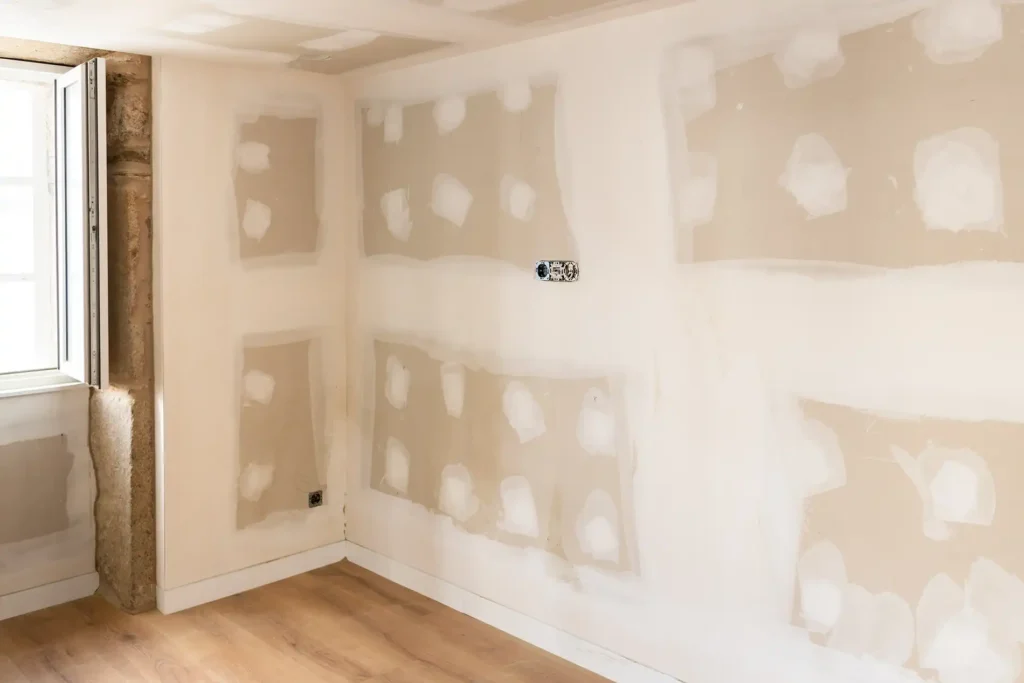
Filling holes and cracks is where most of the transformation happens. A decorator will dig out loose material, apply the right filler, let it cure, then sand it back so it blends perfectly with the surrounding wall. Rushed patching leaves visible scars. Proper filling becomes invisible.
Deep cracks or damaged plaster sometimes need reinforcing rather than a quick skim. Corners, doorframes, and areas around radiators often need extra care because they move slightly as the building settles or warms up. When these areas are repaired correctly, they stay solid for years.
Add Any content here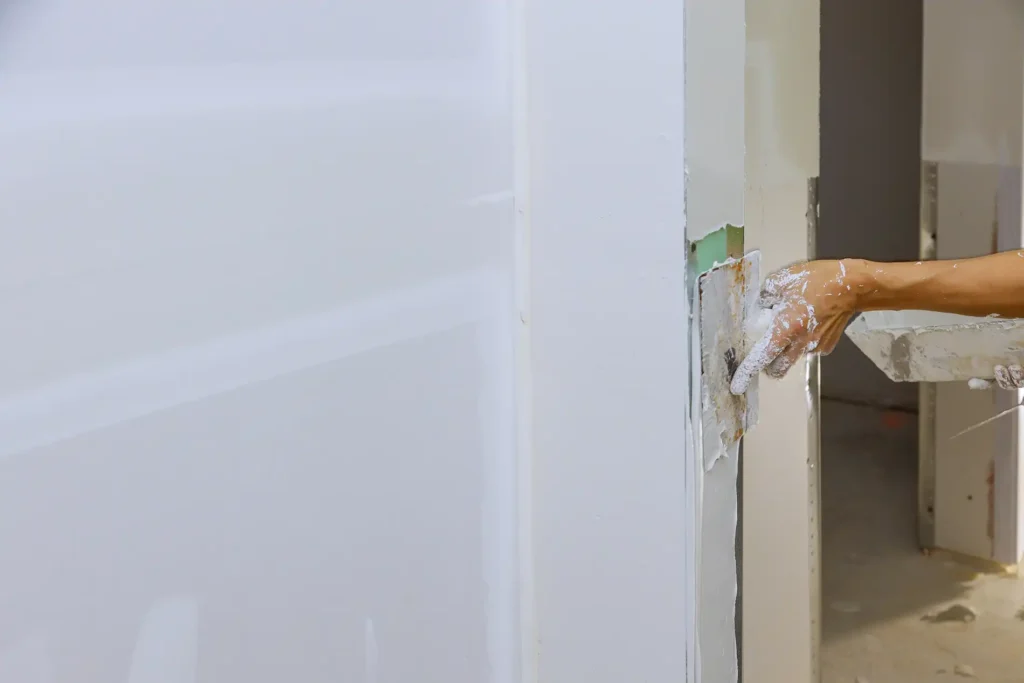

Sanding is what creates the silky, flawless finish clients notice
Sanding is where rough edges disappear. It is the step that turns a patched wall into a smooth, consistent surface ready for paint. This stage involves a mix of gentle sanding for broad areas and detailed sanding around trims and edges.
Many people try to avoid this step because it creates dust and takes time, but skipping it is the fastest way to guarantee a disappointing result. Smooth surfaces reflect light evenly and allow paint to sit beautifully, which is why decorators take sanding seriously.
Add Any content here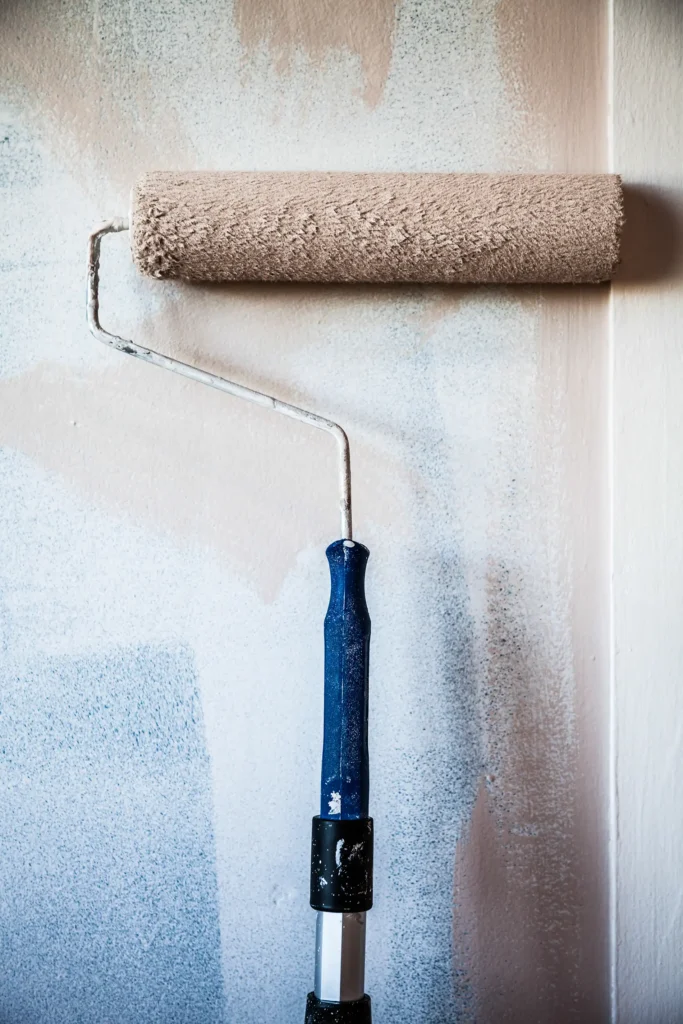
Priming prepares the surface for even colour and long lasting adhesion
Priming does more than seal a surface. It evens out porosity, blocks stains, strengthens repairs, and gives the topcoat something to hold onto. Think of it as the handshake between the wall and the paint.
Some surfaces absolutely require primer. Glossy old paint, deep colours, new plaster, stained areas, and anything previously damaged will all cause issues without the right primer. Skipping primer might look fine on day one, but it almost always causes problems later.
Different rooms need different preparation methods
A hallway that sees constant traffic needs a more durable approach than a guest bedroom. Kitchens need extra cleaning and moisture protection. Bathrooms need special attention because of steam and condensation. Commercial spaces, especially restaurants or offices, often require specific primers and finishes that meet safety or durability needs.
Preparation is never a one size fits all job. It adapts to the space, the condition of the surfaces, and the way the property is used.
Add Any content here
Good preparation saves money in the long run
A surface that has been prepared properly holds paint better, lasts longer, and stays looking fresh. Poor preparation leads to peeling, bubbling, patchiness, and early repainting. Investing in the preparation stage is far cheaper than redoing the entire room a year later.
This is one of the reasons professional decorators achieve such consistent results. They refuse to rush the groundwork.
A final note on craftsmanship
Painting can be taught fairly quickly, but preparation is where craftsmanship shows itself. It demands patience, a good eye, steady hands, and experience. When preparation is done well, the paint glides on smoothly and the room feels uplifted the moment you walk in. Surface preparation may not be glamorous, but it is the quiet skill that makes every beautiful finish possible.
Fineline Decorators bring this level of care to every project across Plymouth and the surrounding area. If you want a finish that looks refined, feels fresh, and stands the test of time, preparation is where it begins.